

Saving Agave for Culture, Recreation, Education, and Development (S.A.C.R.E.D.)
Lou Bank, founder of S.A.C.R.E.D. (Saving Agave for Culture, Recreation, Education, and Development), doesn’t consider himself to be a part of the world of agave. He’s worked with non-profits since 1999, actioning his ‘later in life purpose’ to connect people with the more meaningful things in life. He believes non-profit organizations serve two primary purposes: either preserving an at-risk resource or leveraging underutilized resources.
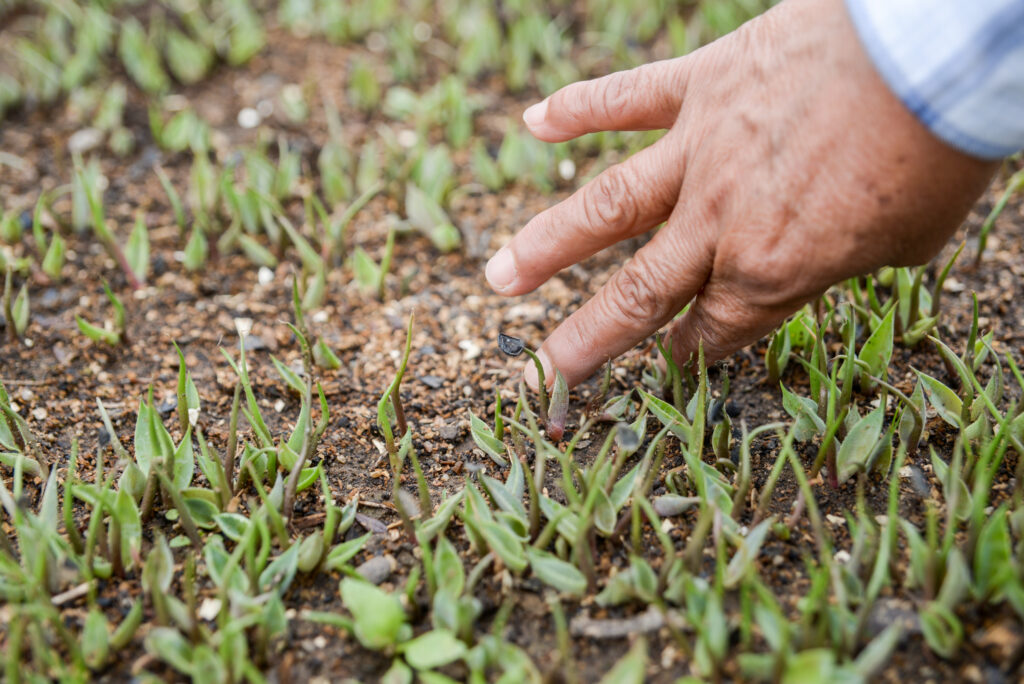
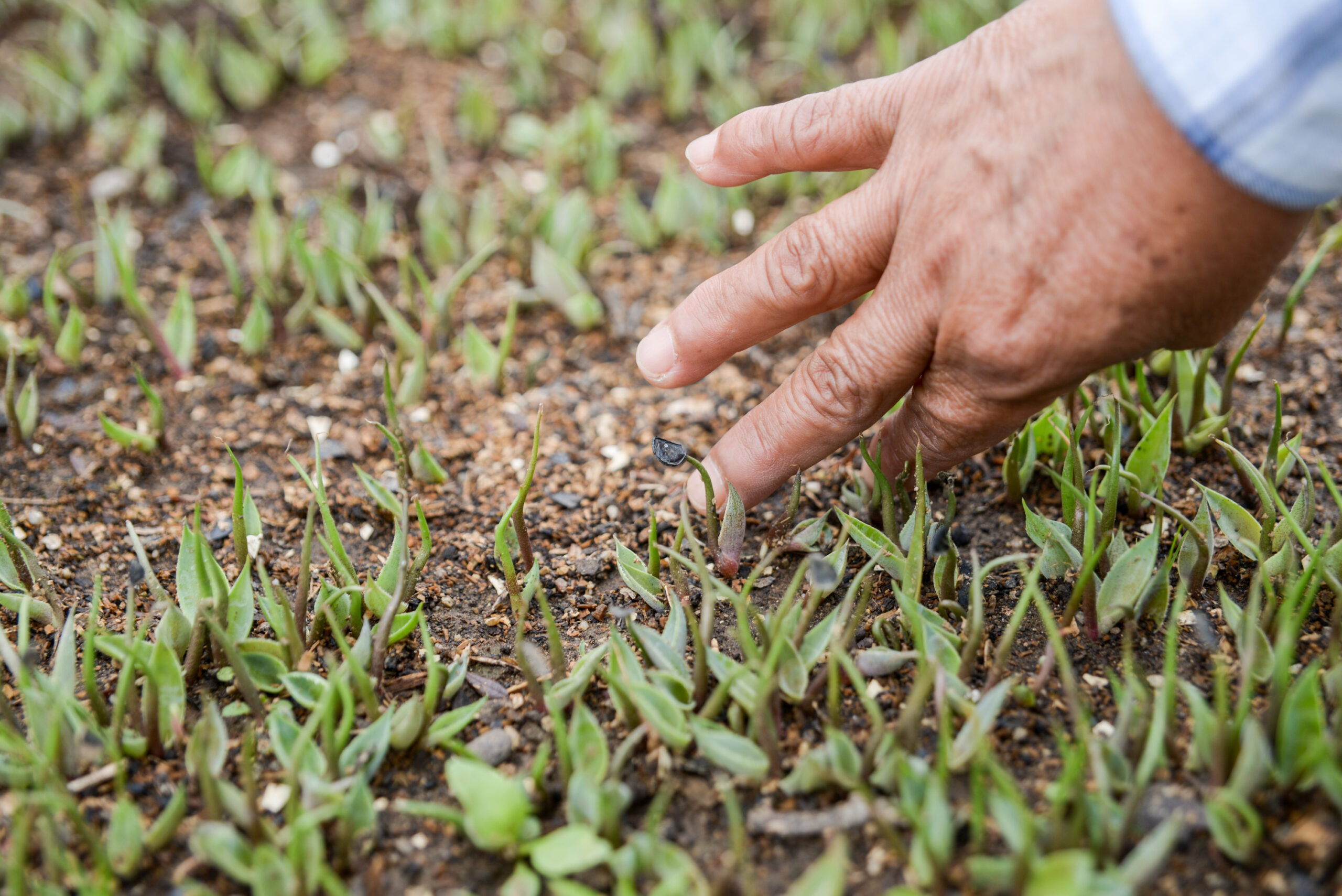
What that looks like in practice is surprisingly specific. Many of S.A.C.R.E.D.’s fundraising campaigns are tied to individual producers and families. Individuals facing real challenges, with clear picture of the solution they would like to pursue. At the heart of the work is seedling distribution. Each year, S.A.C.R.E.D. funds and distributes thousands of agave seedlings, partnering directly with mezcaleros and even local middle schools, where students help nurture young plants before producers pick them up for replanting.
But seedlings are only part of the story. Water insecurity is an ongoing issue in many rural communities where agave spirits are produced, and S.A.C.R.E.D. has connected villages with water engineers to build more reliable systems. Funding comes from a mix of individual donors, who often respond with striking urgency, and spirit industry partners, including brands like 818 Tequila, Campari, and Pernod Ricard.
Bank admits he hadn’t always considered Chicago’s role in this ecosystem. He reflects to the 2010s, when mezcalerías seemed to open in quick succession around the city. Many have since closed, but the city’s hospitality community played a formative role; bartenders and beverage directors were among the first to fundraise, attend tastings, and dive deep into agave education as professional development. There was a genuine thirst for knowledge.
Today, mezcal margaritas and Oaxacan old fashioneds are commonplace. Popularity has brought visibility, but with it, simplification. When we flatten agave into a single flavor profile or chase a favorite label, we risk encouraging monoculture. Variety, Bank reminds us, is the spice of life.
Right now, we’re not consuming much of it.
For consumers who want to mitigate the impact of their drinking, diversification matters. Seek out spirits not made solely from recognizable regions and producers. Ask questions. Explore lesser-known varieties. In simplifying, we often leave out the details that make these traditions resilient.
S.A.C.R.E.D.’s current goal is straightforward: fund 10,000 agave seedlings. To help get there, they’re hosting a tasting on April 8th at Marz Brewing. If you’ve ever ordered a mezcal cocktail in this city, this is a chance to invest back into the communities that made it possible.


