

Galit’s Experiment in Better Hospitality
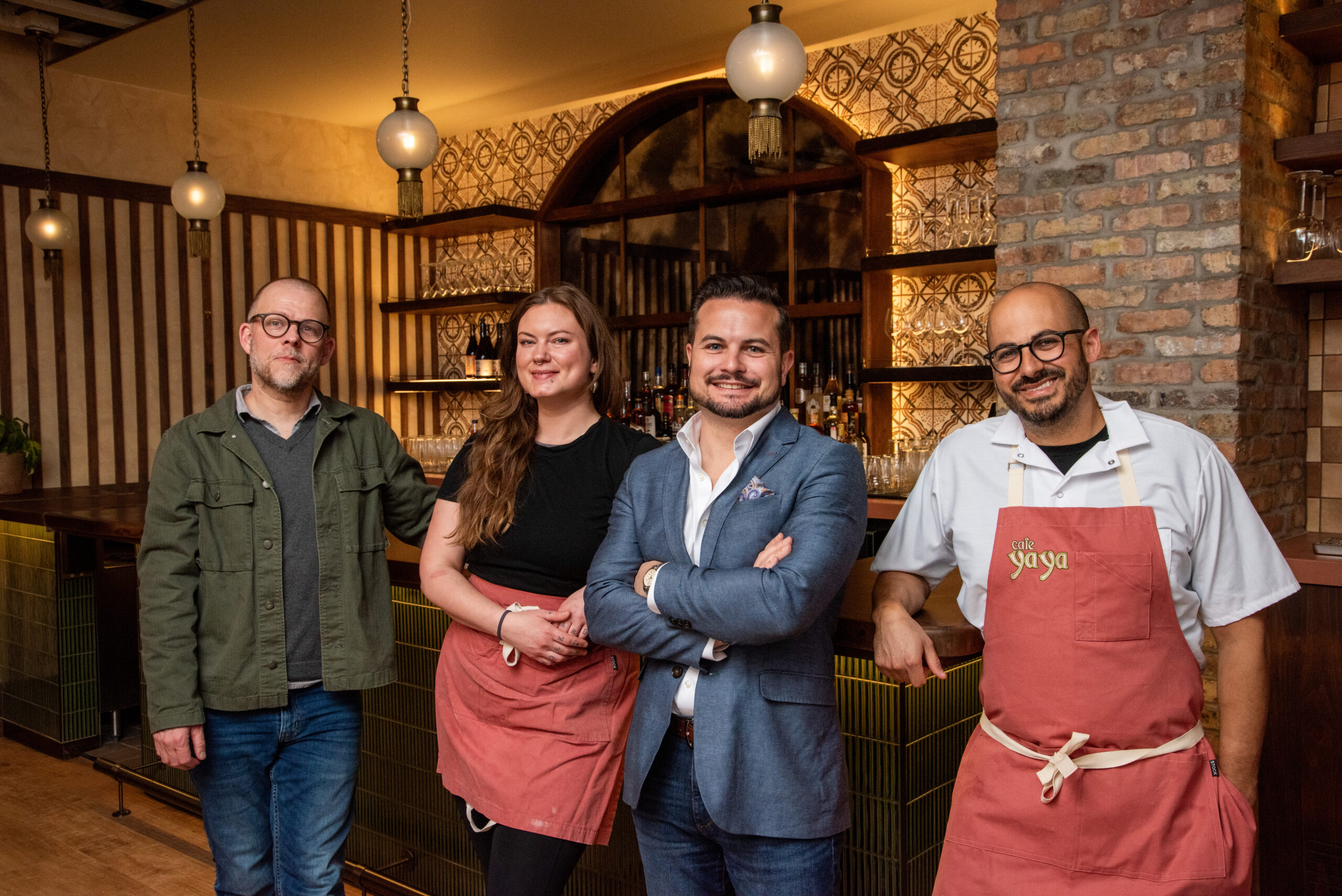
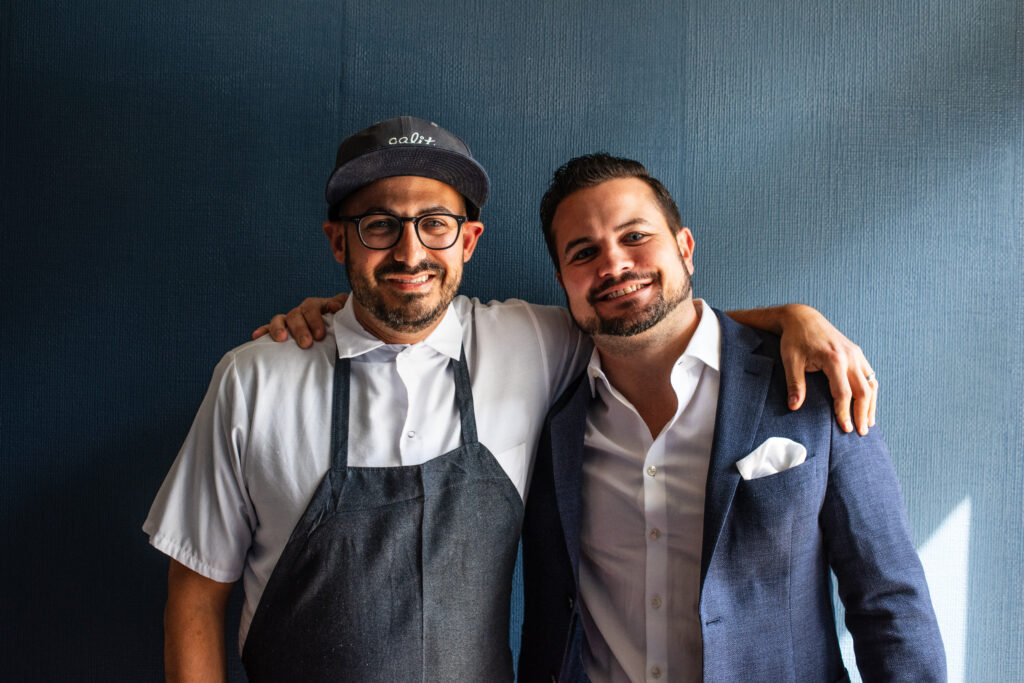
Andrés Clavero has a lot on his plate. Not only is he running Galit and its new sister spot, Cafe Yaya, alongside business partner Chef Zachary Engel, but he’s also leading a team that is reimagining restaurant and hospitality culture from the inside out.
When Clavero and Engel opened Galit in 2019, they knew they wanted to turn the industry standard on its head. “The things that we as an industry did once upon a time are not healthy for any work environment. It’s just not sustainable,” Clavero said. The partners decided to focus on core values that they could put in place and hold themselves accountable to as they grew Galit. The values, listed on their website, are community, creativity, education, empowerment, accountability, equality, respect, communication, and organization. “The guiding light of those principles is how we care for our staff,” said Clavero.
Clavero, whose background ranges from accounting at other hospitality firms to large consulting firms, doesn’t just list these values on a website and forget about them. It’s abundantly clear that Galit’s leadership focuses on these values in every aspect of the restaurant experience — from kitchen culture to employee benefits to their tipping policy. This focus is making their restaurants a more sustainable place to work for the employees, and these changes often add time and expenses to the already high cost of running a decorated restaurant. Other examples include running a dry kitchen, implementing cancellation fees on reservations, and conducting check-ins with employees for several months after their start date.

Carly Tobin is one of those employees. Though she now serves as the Events Coordinator, Tobin started as a server at Galit when the restaurant opened. “Zach and Andrés foster a very nurturing environment, and they do really care and respect their employees,” Tobin said. “For some operators, it’s just all about the numbers, and as important as your bottom line is, I feel they extend past that. They care deeply about the employees that work for them, and I think that shows in multiple areas of their operation.”
Clavero and Engel developed their policies based on what they had previously seen and been disappointed by within the industry—things that had become standards despite their problematic nature. Key for Clavero, coming from a traditional workplace, were subsidized benefits and a culture of work-life balance. Although to make this a reality for their staff, Clavero and the team have had to invest money, of course, but also time in consumer education.
When Galit opened, the employee benefits were an optional surcharge. Later, the team shifted to a 20% surcharge on all meals that goes directly towards subsidizing employee benefits. This surcharge allows Galit to cover 80-85% of employee healthcare premiums, provide a matching 401K plan, and provide a third-party employee assistance program. The restaurant also offers paid medical leave, and extends these benefits to all employees, including the back-of-house team and service managers.
In recent years, costs have gone up for employers looking to provide these benefits for their team members. This surcharge, Clavero explained, was the most effective way to guarantee that they could provide these subsidized benefits for all of their employees. Of course, adding the surcharge has required a huge investment of time on the part of Clavero and the entire staff to educate guests about this program.
“I will talk with anyone who wants to talk about it,” Clavero said. “I’m an open book.” He holds frequent discussions and mock service training sessions with staff members so they understand how to educate guests as well as the back-end financials behind these policies. “Awareness and education are core values to us, so holding ourselves accountable communicating it to staff and guests alike is paramount,” he said.
Tobin echoed that commitment. “Andrés is always 100% ready to educate people. And he educates us on it so we can explain it to guests, especially when it comes to the service charge. We’re able to explain it in a way that people can understand because that trickles from the top down. I feel like if we’re passionate about it as well, we’re able to convey it in a passionate way that guests will understand,” she said.

Clavero and the team at Galit and Cafe Yaya are also focused on creating an environment where team members feel they have job stability as well as incentive to stick around. “There’s a reputation that this is transient work. That’s an unfortunate stigma. We want to run a place where people can have a career,” he said. Clavero wants prospective employees as well as guests to understand that working in a kitchen is a career worth pursuing. “It can be so gratifying, both from what you do and financially.”
Tobin, for one, is proud to work in a restaurant that is on the cutting edge of these sustainable practices. “We are the leaders. We’ve been doing this since the beginning, and a lot of places have adopted that. People do look to us for answers and suggestions.”
“There are so many things that we as an industry have allowed to happen that have gotten us to a point where there’s only so much juice left to squeeze,” Clavero said. The sustainability of the workplace at Galit relies on policies created with employees in mind as well as the guests who keep coming back to support these policies. “We’re trying to invest in our team and invest in our guests coming in. It’s not easy and it’s not fast. We’re running lean, and it takes a lot of time, but it’s worth it.”


