
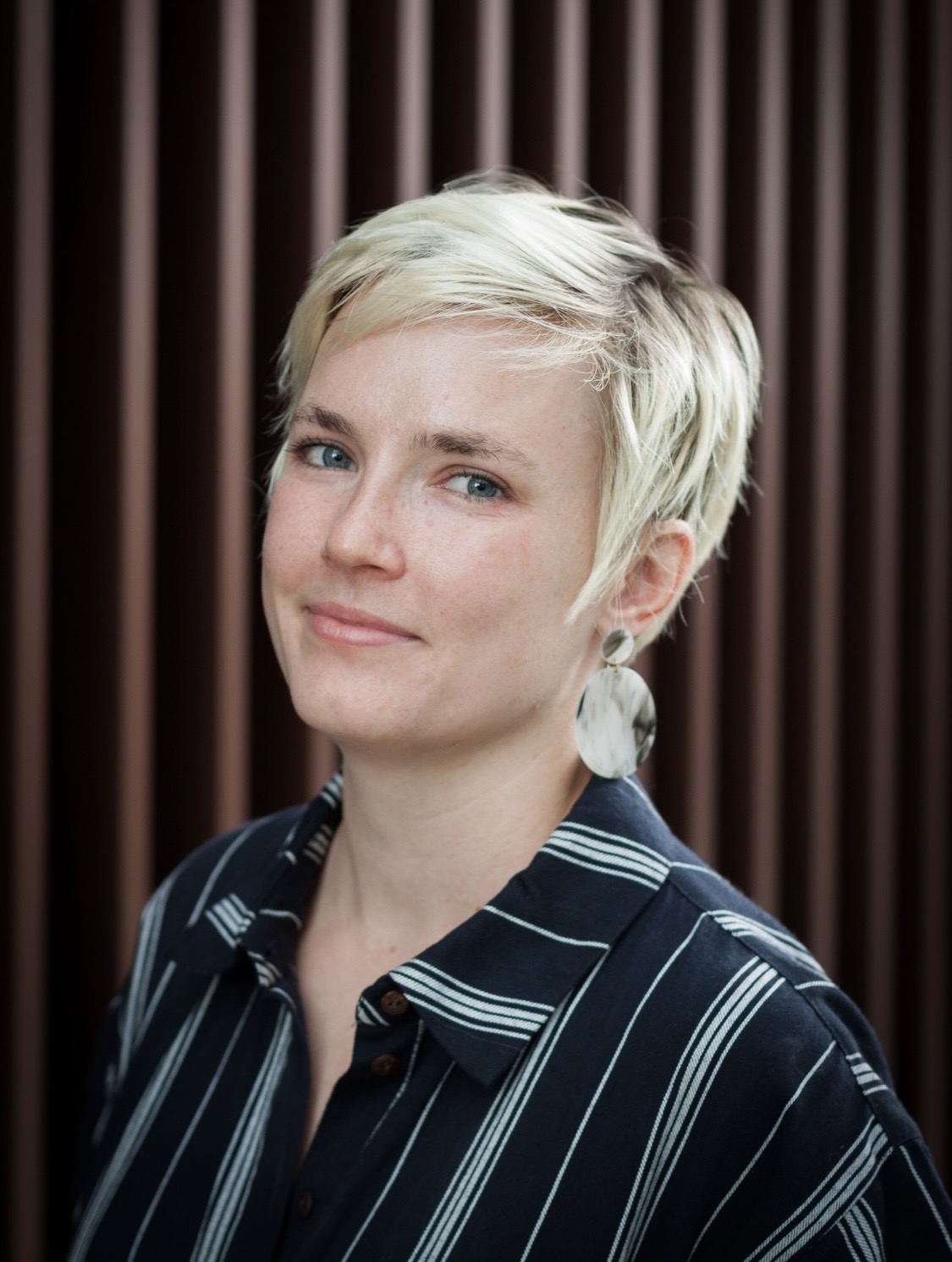

Chicago Sommelier Marie Cheslik Makes Wine Make Sense in How to Read a Wine Label
Have you ever actually looked at a wine label?
Not just glanced at the price tag or picked the bottle with the prettiest font, but really tried to make sense of all those mysterious words, regions, numbers, and symbols?
If your answer is a sheepish “not really,” you’re in excellent company. Understanding a wine label can feel intimidating, even for seasoned wine drinkers.
Enter Marie Cheslik, a Chicago-based sommelier.
Cheslik didn’t grow up wandering vineyards in Burgundy or sipping rare vintages in her family cellar. She grew up in Milwaukee, Wisconsin, where, as she puts it, “the culture embraces drinking Pabst Blue Ribbon in dive bars over fancy Michelin-starred wine lists.”
That grounding, equal parts humble and humorous, is the foundation of her new book How to Read a Wine Label (Peridot Publishing, October 28, 2025), an informative, witty guide for anyone who has ever stared at a wine bottle and felt their confidence evaporate.
Cheslik’s path to becoming a sommelier is anything but conventional, and that is exactly what makes her perspective so refreshing.
Long before she was teaching Chicagoans how to navigate a wine list, she was working as a nurse. Eventually, she stepped away for a short period to explore the hospitality world, immersing herself in restaurants and wine shops across the city while simultaneously studying for and earning her Certified Sommelier credential through the Court of Master Sommeliers. In those spaces, she kept meeting smart, curious guests who wanted to learn about wine but felt shut out by the jargon, the gatekeeping, or the fear of saying the wrong thing. As Cheslik puts it, “People want to level up what they eat and drink,” she says. “They just need the building blocks. A tiny bit of understanding can flip the whole experience from overwhelming to joyful.”
Cheslik saw an opportunity to make wine feel human again. She launched her wine education platform, Slik Wines (slikwines.com), during the height of the COVID-19 pandemic.
She began hosting virtual tastings and approachable online classes that quickly gained traction. What started as a way to stay connected during lockdown evolved into a full-fledged business.
Cieslik’s philosophy, meet people where they are, start with what they already know and love, is the animating force behind her latest book, How to Read a Wine Label.
“The label is everything, and yet most people have no idea what it means,” Cieslik said. “Most shoppers check the price, maybe the artwork, but the actual words do not mean much to them. It is the only information they are given, and still they have no real context for what it is telling them.”
How to Read a Wine Label breaks down grape varieties, regions, and terminology with clarity and humor. Cheslik fills the book with real-life label examples ranging from Grands Crus Classés to Costco Pinot Noir so readers can practice decoding them in real time. She layers in side-by-side comparisons, smart callouts that highlight what matters (and what does not), and clever exercises that turn label reading into a skill you can actually master. There are even game-style prompts designed to sharpen your tasting instincts.
The result is a guide that doubles as a hands-on toolkit for becoming a more curious, capable wine drinker.
Cheslik teaches wine the way Chicago eats: enthusiastically and without pretense.
“Chicago is a blue-collar town; we love hearty, delicious food,” she says. “We are a diverse group of people. We like to try different things. We are open-minded here… less about showing off and more about experiencing.”
She insists that beginners start with what they already drink. Before you pop open that bottle that’s been waiting patiently for you in your fridge, take a moment to examine the label.
“On the Barefoot label, you’ll see the grape listed as Moscato. That’s your first clue,” she said. “Moscato is a grape, and it comes from Italy. So if you already know you like Moscato, great. Stay with Moscato — just try a better version of it. Moscato d’Asti is made in a specific region, from the same grape, but with way more intention. It’s lightly bubbly, naturally sweet, lower in alcohol, and actually tastes like the fruit and flowers the grape is known for. Once you taste that, you realize there’s a difference between sweet and simple, and sweet and well-made.”
Marie Cheslik stands as a sommelier/truth‑teller in the sometimes snobby world of fine wine, and How to Read a Wine Label is one of the most accessible wine books in years, best enjoyed with a glass of your favorite fine wine, or better yet, one of the bottles featured in its pages. Cheslick has provided a few recommendations perfect to accompany a spring read here, starting with Maison Noir ‘Knock On Wood’ Chardonnay and Gaspard Cabernet Franc.
Ultimately, it’s about increasing the pleasure wine brings into your life by equipping you with the confidence to choose, taste, and enjoy with intention.


