

Sauce Meets Its Match
Sponsored
From slow-simmered ragù to peak-season tomatoes, Chicago chefs reveal why the perfect pasta dish comes down to the relationship between sauce, shape, and texture.
From a long-simmered ragù to the much-contested carbonara, the sauce that goes with a plate of pasta can make or break a dish. Creating the perfect pasta dish is a careful alchemy: sauce matters, but every professional chef and Italian nonna will tell you, the way the sauce and the pasta interact is key.
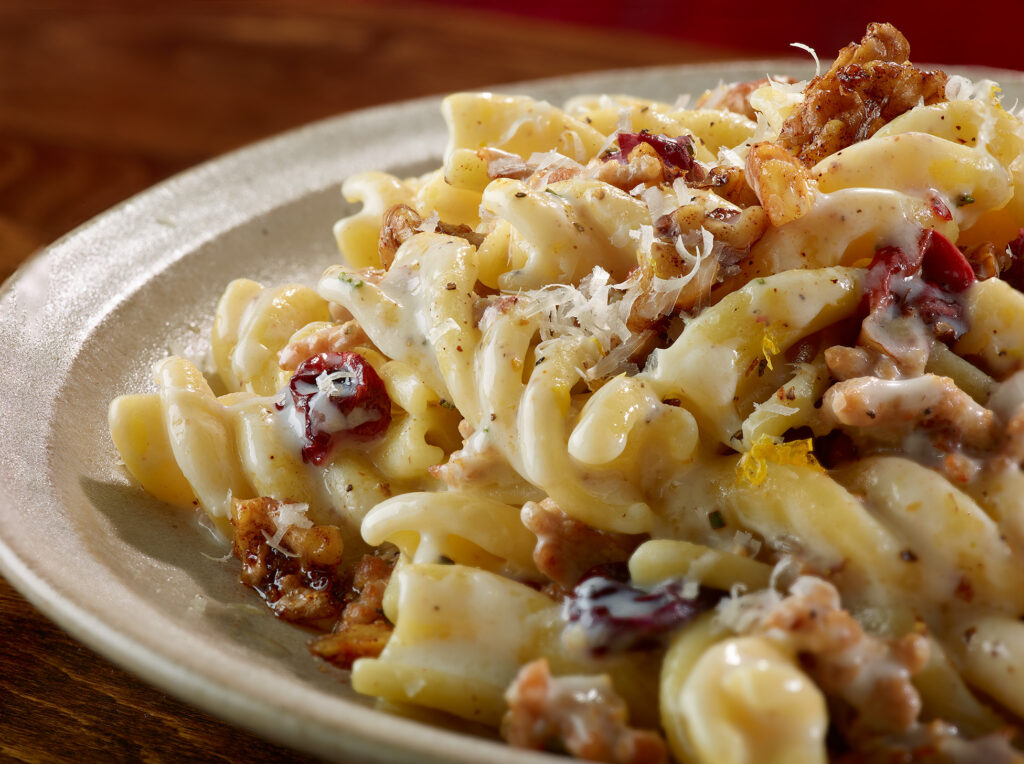
A perfect pasta pairing marries sauce and shape, taking into account the weight and texture of the sauce, including any bulkier ingredients, and the structure of the pasta, including length, thickness, and form. Whatever the pairing, a good sauce shines brightest when it is spread over a high-quality pasta. For hundreds of years—long before the advent of teflon—bronze-die-cut-pasta has been a gold-standard. It’s not just tradition for tradition’s sake: extruded through metal molds, pasta made with this process has a rougher, more porous surface that grips sauces and releases more starch into the cooking water. “The texture of the pasta creates a beautiful emulsification, which acts like a glue between the pasta and the sauce,” explains Chef Salvatore Lo Cascio of DeNucci’s.
The clingier texture of bronze-cut pasta, like that of Barilla Al Bronzo®, makes it the perfect canvas for Chicago’s best chefs to create their signature dishes. “The quality of the [Al Bronzo] pasta is way higher than other pastas, which gives you the chance to raise the bar for the whole dish,” Lo Cascio says.
Chef David Schwartz of Formento’s sees the renewed interest in bronze-die-extruded pasta as part of a broader trend he’s noticed over the last decade of his career. “The simplicity is coming back. Ten years ago, pasta dishes got really complicated,” he says. Now, it’s trending back towards a few simple, high-quality ingredients that really shine. With recipes getting simpler, Schwartz notes, it’s more important than ever to use a pasta that can perform as one of four or five ingredients in a recipe like a carbonara, which is traditionally composed of just guanciale, eggs, grated Pecorino Romano cheese, and black pepper.
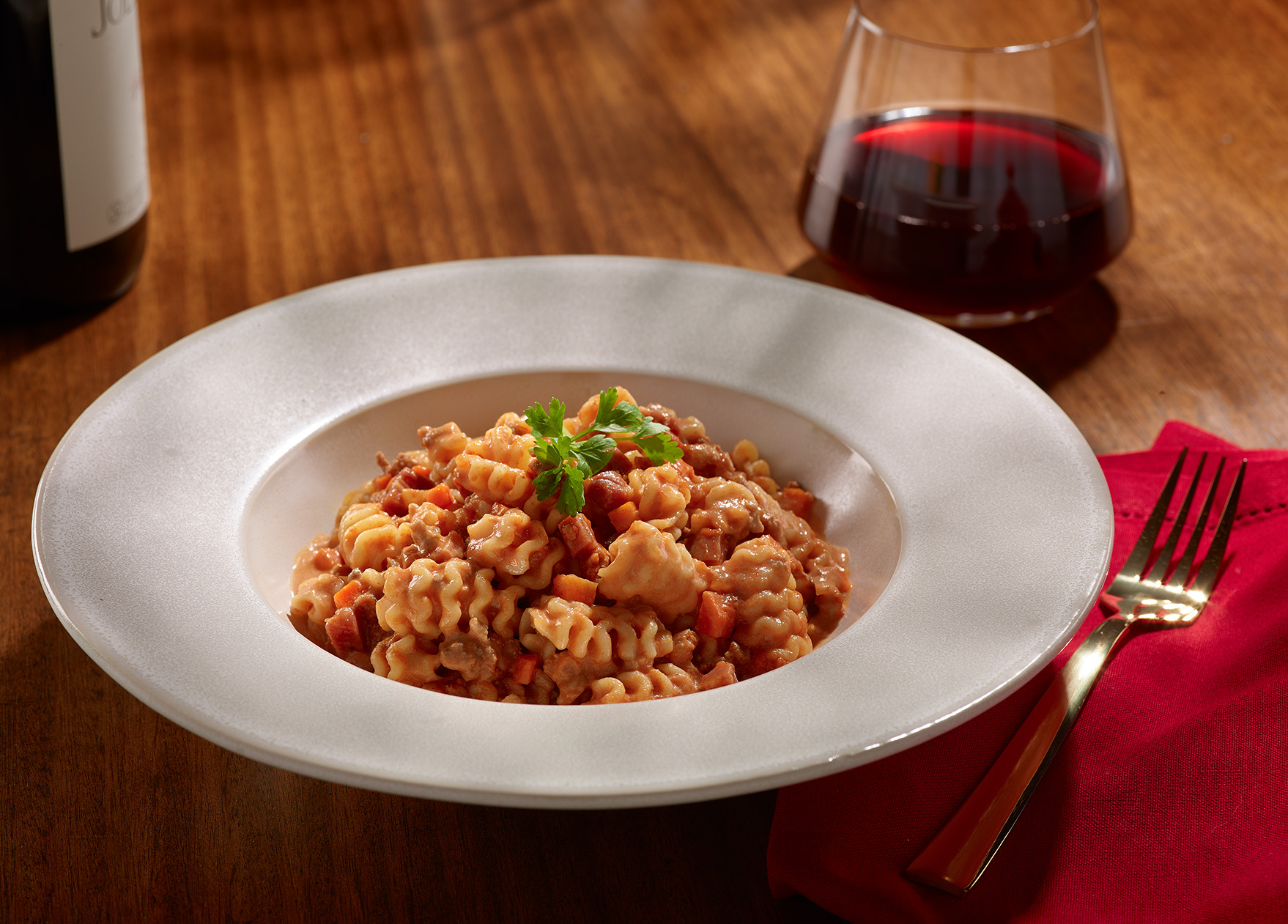
That return to simplicity is especially evident in kitchens built around traditional Italian cooking. Chef Massimiliano Campagnini of Volare has taken that approach for years. During his 25-year tenure at the celebrated Chicago staple, Campagnini has committed to a series of classics made the same way as in his native Bologna. Though they cycle through daily specials, the core menu rarely changes, featuring Bolognese ragù and a lasagna that has won them recognition from national outlets. “Customers come back time after time because they know our sauces are consistent,” Campagnini says.
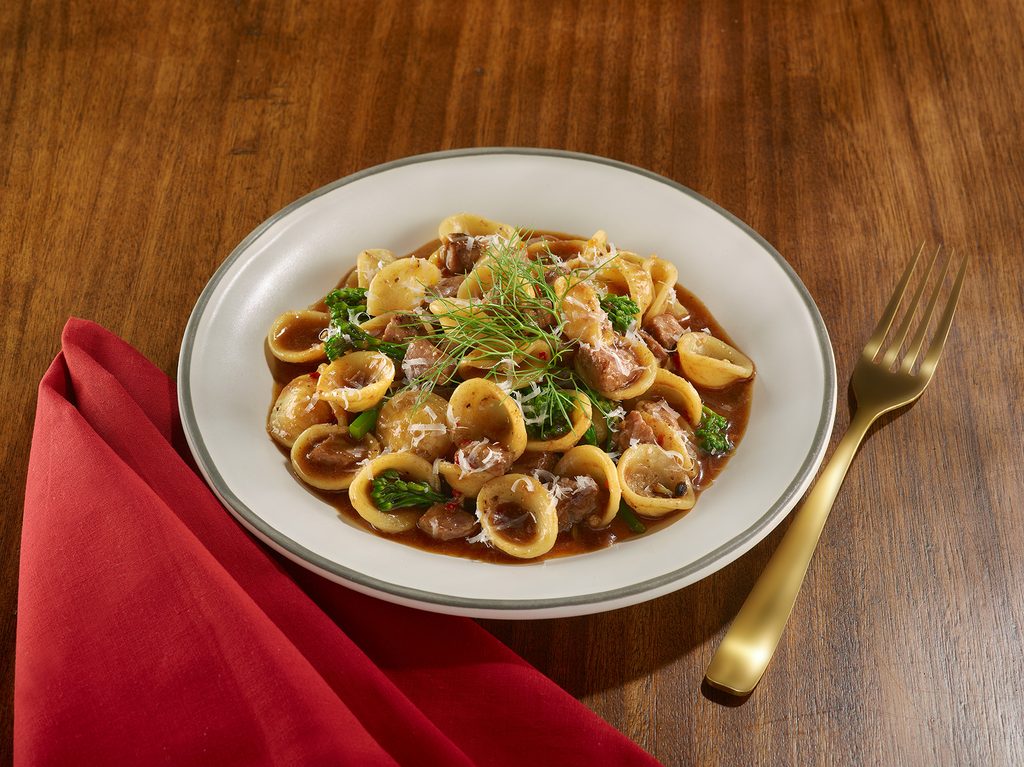
At DeNucci’s, Lo Cascio also leans into tradition with dishes using Orecchiette inspired by classic Pugliese cooking. The combination of wine, garlic, chicken stock, parmesan, and broccolini creates a rich, flavorful sauce with sausage crumbles that sit perfectly in the ear-shaped pasta. “It’s such a good combination of balanced crunch, sweetness, and saltiness,” Lo Cascio says.
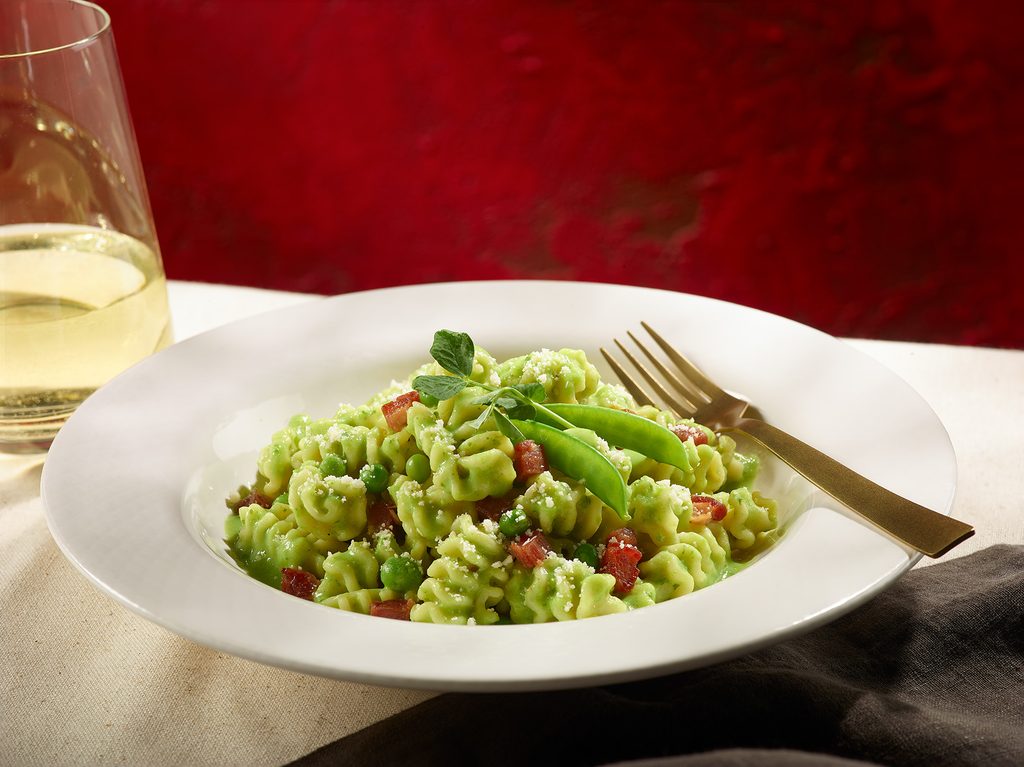
Lo Cascio also pushes the boundaries, using ingredients that are perhaps less commonly found on other American menus, like agrumato, a citrus-infused oil that brightens a spicy seafood pasta on the menu at DeNucci’s. He pairs this sauce with a shorter, curled pasta shape to show off the sauce, and credits dishes like these with DeNucci’s success across its three Chicagoland locations. “Everything sells well,” says Lo Cascio. “These dishes are so different from each other that it creates the feeling that if you don’t try it today, then you need to come back and try it tomorrow and next week. It’s dynamic.”
At Formento’s, Schwartz uses sungold tomatoes to make a fresh, silky sauce that celebrates the flavors of peak Midwest summer. Because the sauce has such a unique texture and flavor, Schwartz always pairs it with a pasta that helps the sauce stand out, like Fusilloni. “When the pasta cooks off so well, the sauce just coats it beautifully. It’s so important to use the high-quality stuff with this sauce,” Schwartz said. Schwartz hopes that by eating these dishes from his kitchen, home cooks can be inspired as well.
That attention to the relationship between pasta and sauce is what makes Barilla Al Bronzo a natural fit for chefs working across both traditional and contemporary preparations. Whether it’s a rich, slow-cooked ragù or a delicate seasonal sauce, its distinctive texture gives chefs a versatile foundation designed to bring the two together in every bite.


