

Global Gardens: Where Chicago’s Refugees Cultivate a Taste of Home
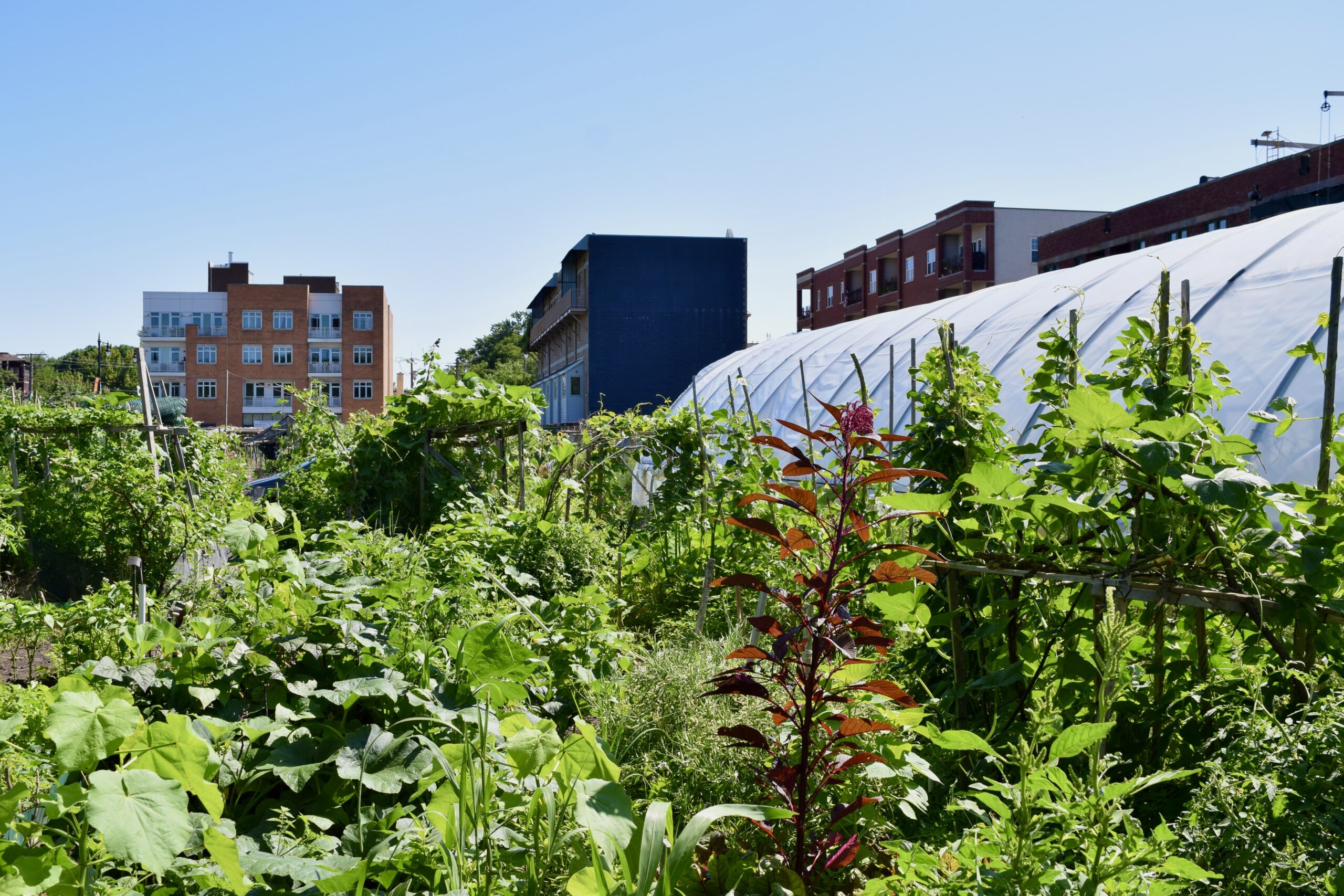
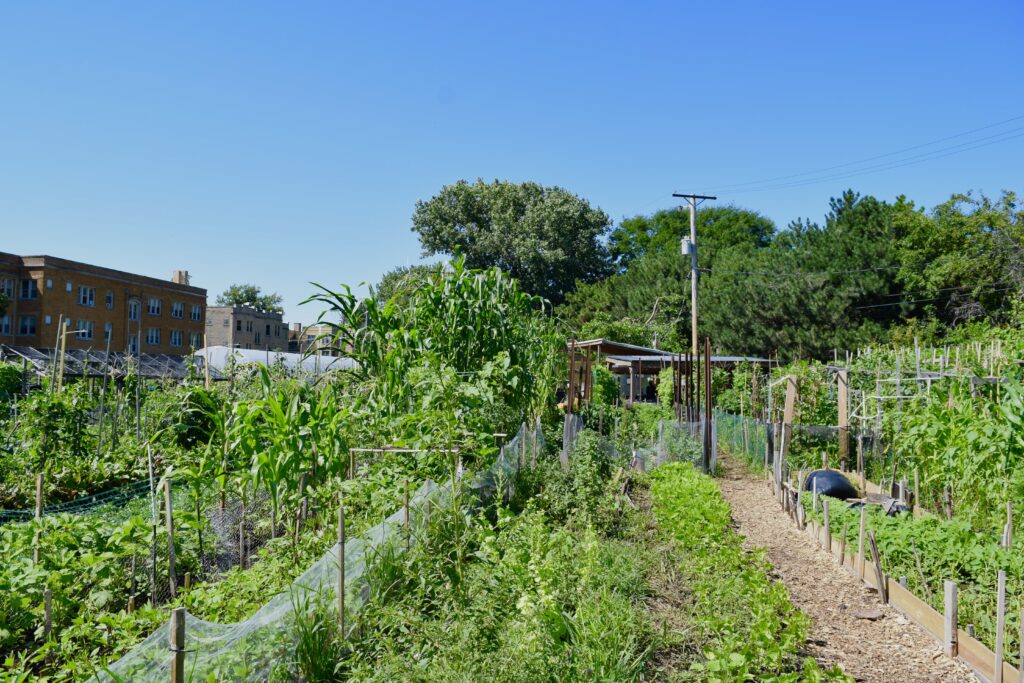
Nestled right on the North Branch of the Chicago River, just blocks from the Francisco stop on the Brown Line, lies Global Gardens Chicago. It’s easy to breeze past this place of Eden without realizing the magnificence that it’s home to. However, it’s hard to believe that fifteen years ago, it was just a vacant lot.
The story begins in 2012, when 42 refugee families worked together to turn the one acre lot into a productive garden. The group worked with NeighborSpace, an urban land trust that supports community gardens and urban farms in leasing land. Global Gardens Chicago was established as a nonprofit to support the production of fresh, organic vegetables for both refugee families and their urban neighbors. In 2024, Global Gardens transitioned away from NeighborSpace and entered a “use and occupancy agreement” with the Chicago Park District.
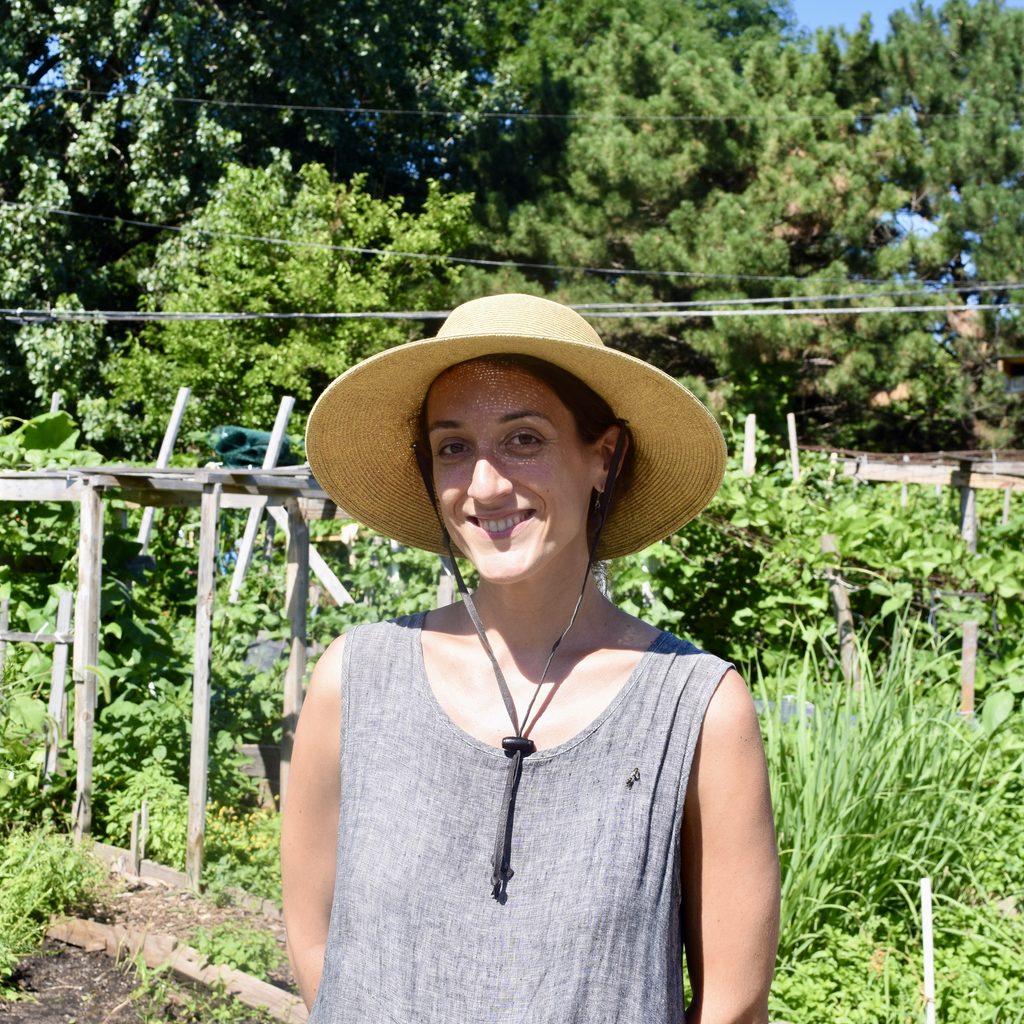
“In layman’s terms, [that] means they are our new landlord, but nothing changed, if anything it improved because we got an upgraded water system and a nice driveway,” says Haley LeRand, executive director of Global Gardens. Haley has been with the organization since 2017, when she first started helping out Linda Seyler, founder and recently retired director. Haley was brought on officially as a staff member in 2020, when the organization’s programming greatly expanded.
The space squeezes in 68 3 ft. x 40 ft. family garden plots, which are cultivated for home consumption and serve around 300 people across the families. There are also ten market plots, cultivated by Global Gardens’ market farmers who sell to restaurants, CSAs, farmers markets, wholesale buyers, and are reimbursed to donate to local food pantries. Market farmers pay a small program fee, but keep 100% of their produce sales. As an organization, Global Gardens offers need-based training and educational services for their market farmers, which could look like identifying common garden pests or how to best arrange a produce display at a market stall.
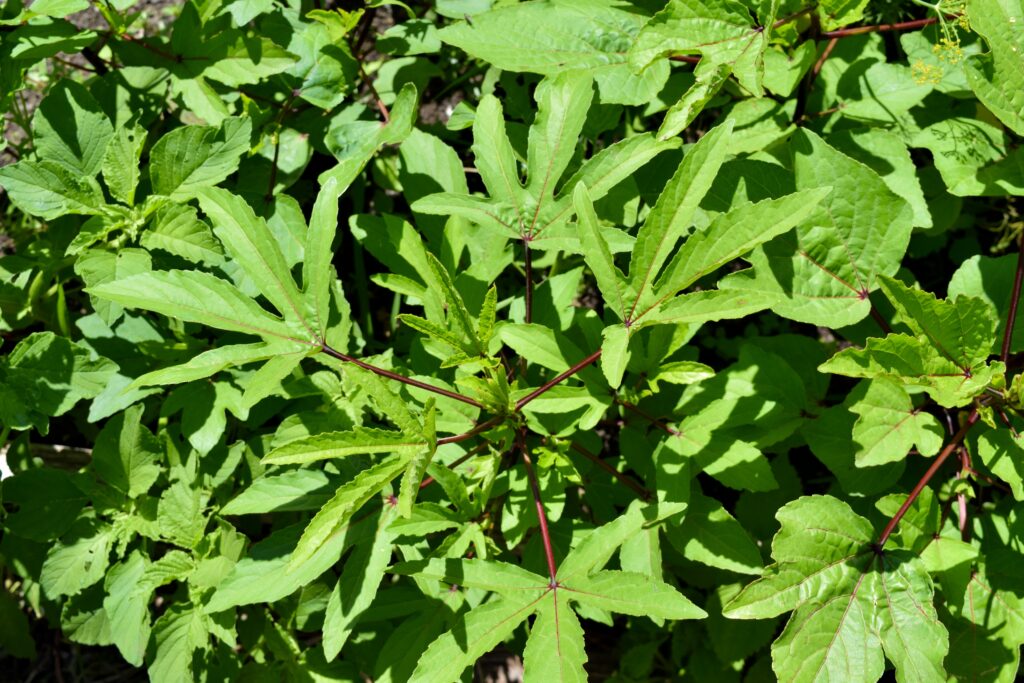
“Almost everyone here farmed to some capacity in their home country,” says Haley. “They’re growing a mix of things that are culturally important to them, but also things that [are popular] at the farmers market.” Over 80% of Global Gardens’ farmers are from different ethnic groups in Burma, which is home to many different languages and dialects. Haley points out the chin baung plant, or “sour leaf,” grown by a Karen farmer, an ethnic minority indigenous to the Thailand-Burma border. It’s the leaf of a hibiscus plant, which is used to make a bamboo soup with dried shrimp. Because Global Gardens is growing plants that aren’t widely grown, farmers are able to fill niche markets. Like selling perilla leaf, a Korean plant, to Chicago-based Ekaloka Fermentory.
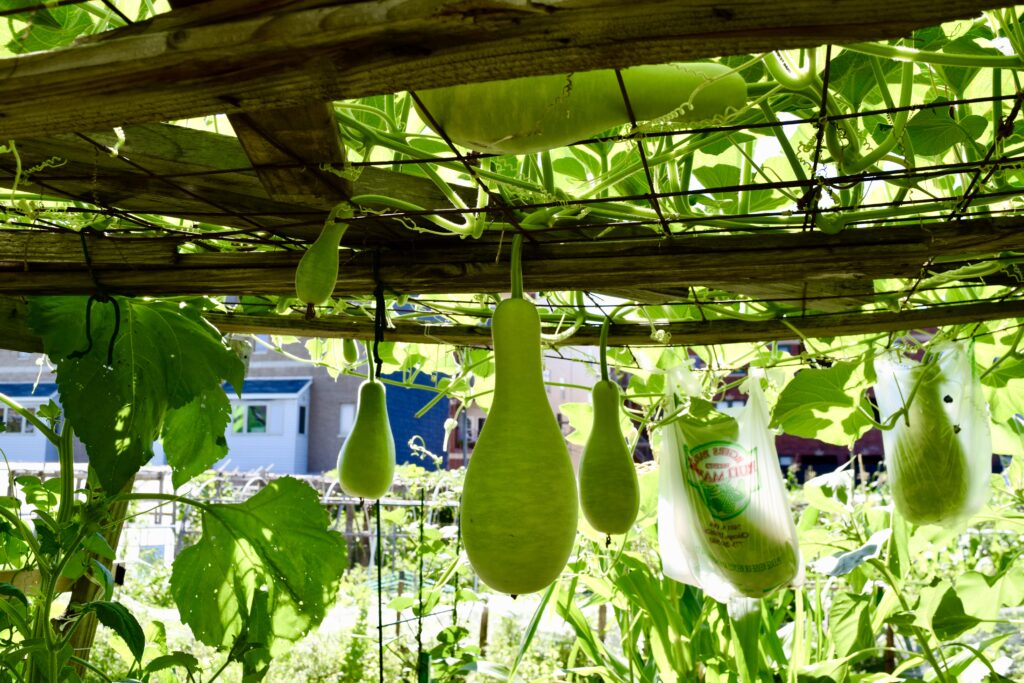
In a different market plot, there are huge squash hanging from overhead trellising, being held up by makeshift hammocks. “This is also a really popular plant from Burma called opo squash,” says Haley. “A common theme here is eating the whole plant – eating the shoots, the leaves, the fruit, the stems. They’ll make a condiment out of [the stems].” Walking through the gardens, there is abundance all around you, and yet, it seems very little goes to waste. “There’s a strong DIY attitude here, like a lot of wood palettes, repurposed materials,” Haley says. “A strong sense of using what’s available.”
In recent years, the organization has been able to invite more people onto the farm to witness this abundance firsthand. They’ve hosted a concert series that features international music, a fall harvest festival featuring vendors and a pumpkin smash, and regular cooking classes taught by farmers or local chefs. “It’s nice because the farmers get interaction with the public, and the public gets to see our farm,” says Haley. “It’s a nice cross-pollination.”
For many refugees, as Haley explains, there are few places in the city that reflect their home country, especially those whose lifestyles revolved around the land and growing food. “I think of [Global Gardens] as a culturally appropriate place to process trauma and heal,” she says. Beyond it being a place for refugees to grow food that they recognize, Haley has heard countless comments about the health benefits this space provides – mental and physical. “Even if they’re not telling me these things, it’s an observation,” says Haley. “I’ll see that this family in the corner comes at 4 a.m and leaves when it’s dark. If you’re spending every day, all day here, it must be pretty important to you.”
Eventually, Global Gardens hopes to acquire more land nearby to accommodate the twenty families and counting on their waitlist. With an expansion like this, the organization can continue providing more of Chicago’s refugee families a place that finally feels like home.
Learn more about Global Gardens here, or visit the farm for food, music, raffles, and a tour during their upcoming Fall Harvest Fundraiser on October 8th.


